Crypto Cards Without Staking Requirements
Updated August 2026 · 75 cards
Mandatory staking is the main drawback of premium crypto cards. These cards offer cashback with no staking obligation, your funds stay free and accessible at all times.
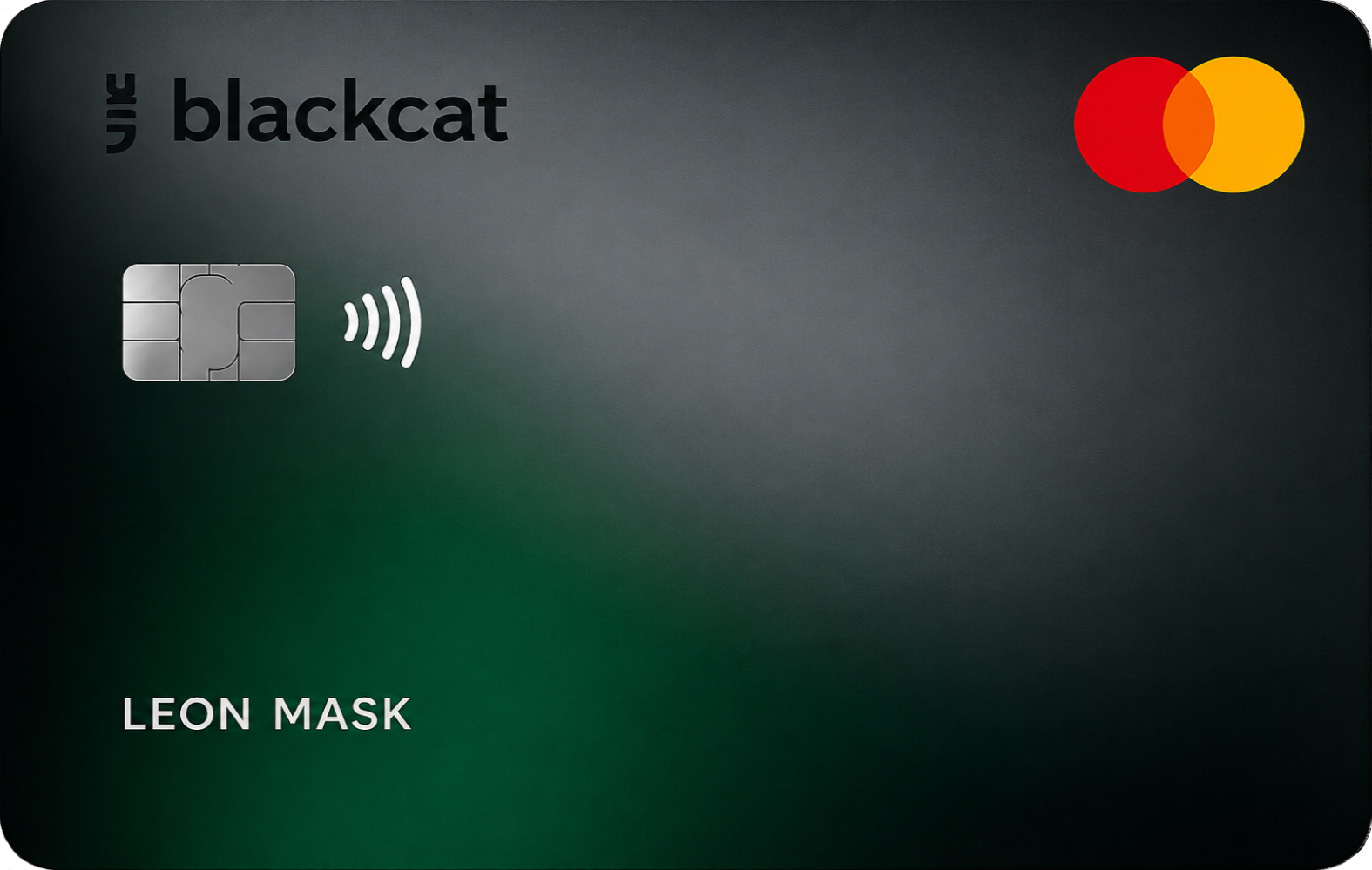
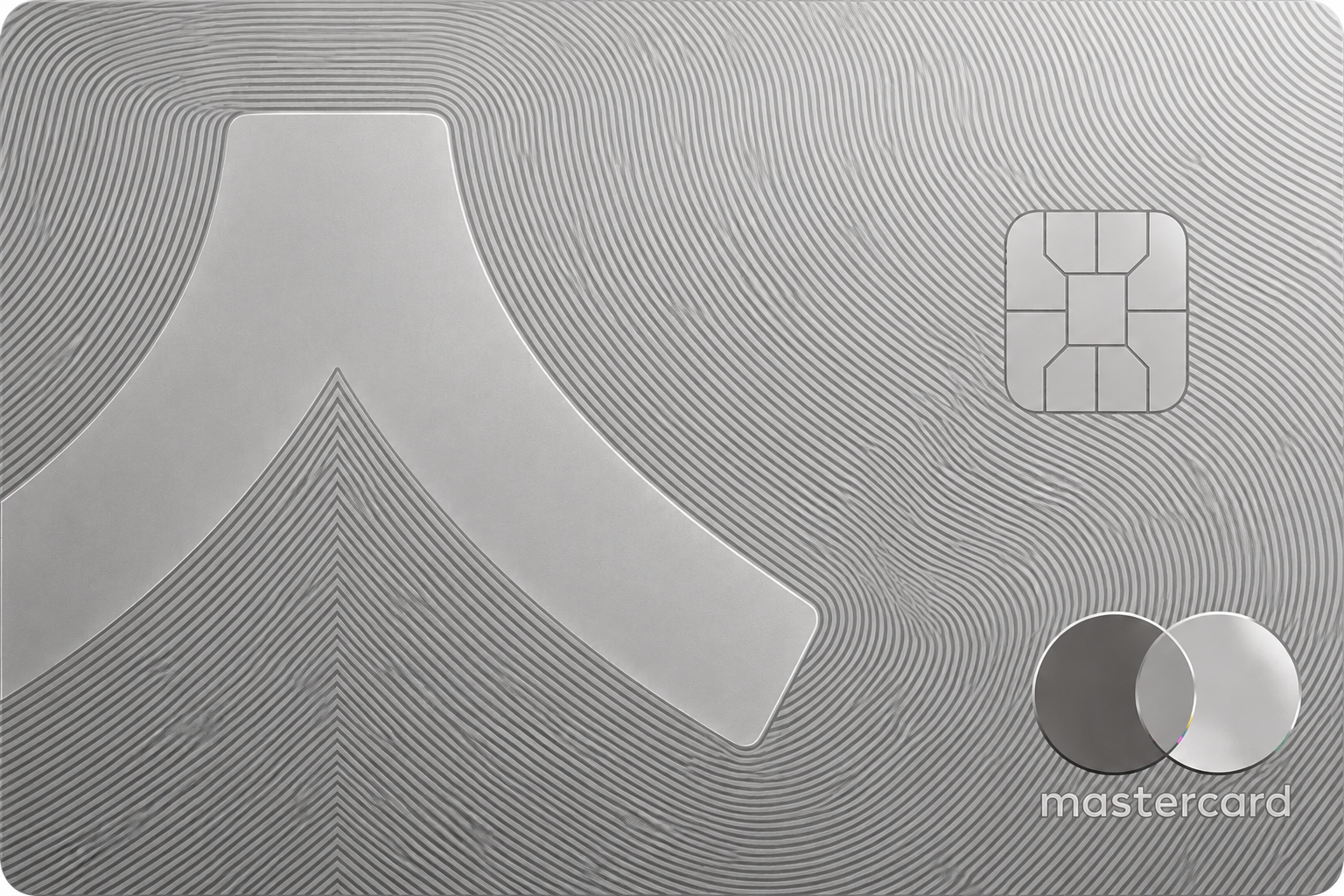
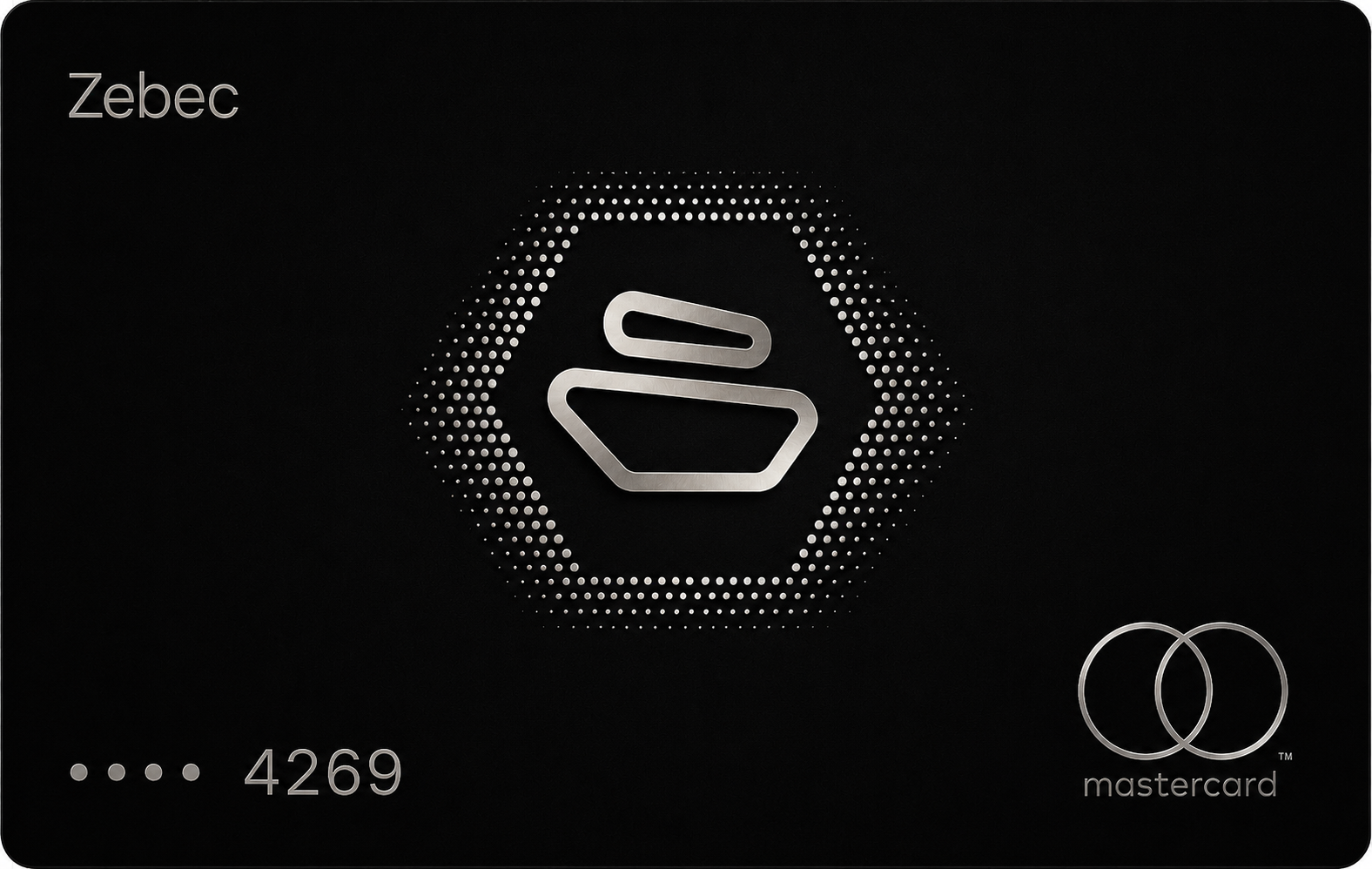
| Criteria | #1Bleap Crypto Card | #2WhiteBIT Nóva | #3COCA Visa Card |
|---|---|---|---|
| Cashback | 20% | 10% | 8% |
| Annual fees | Free | Free | Free |
| Staking req. | Not required | Not required | Not required |
| Network | Mastercard | Visa | Visa |
| Trust Score | 33.0/10 | 60.0/10 | 31.0/10 |






On the same topic, explore our guides on Crypto Cards with No Annual Fees, Crypto Cards with the Best Cashback and Best Crypto Cards for Beginners. Estimate your earnings with our cashback calculator.
Why choose a crypto card without staking requirements?
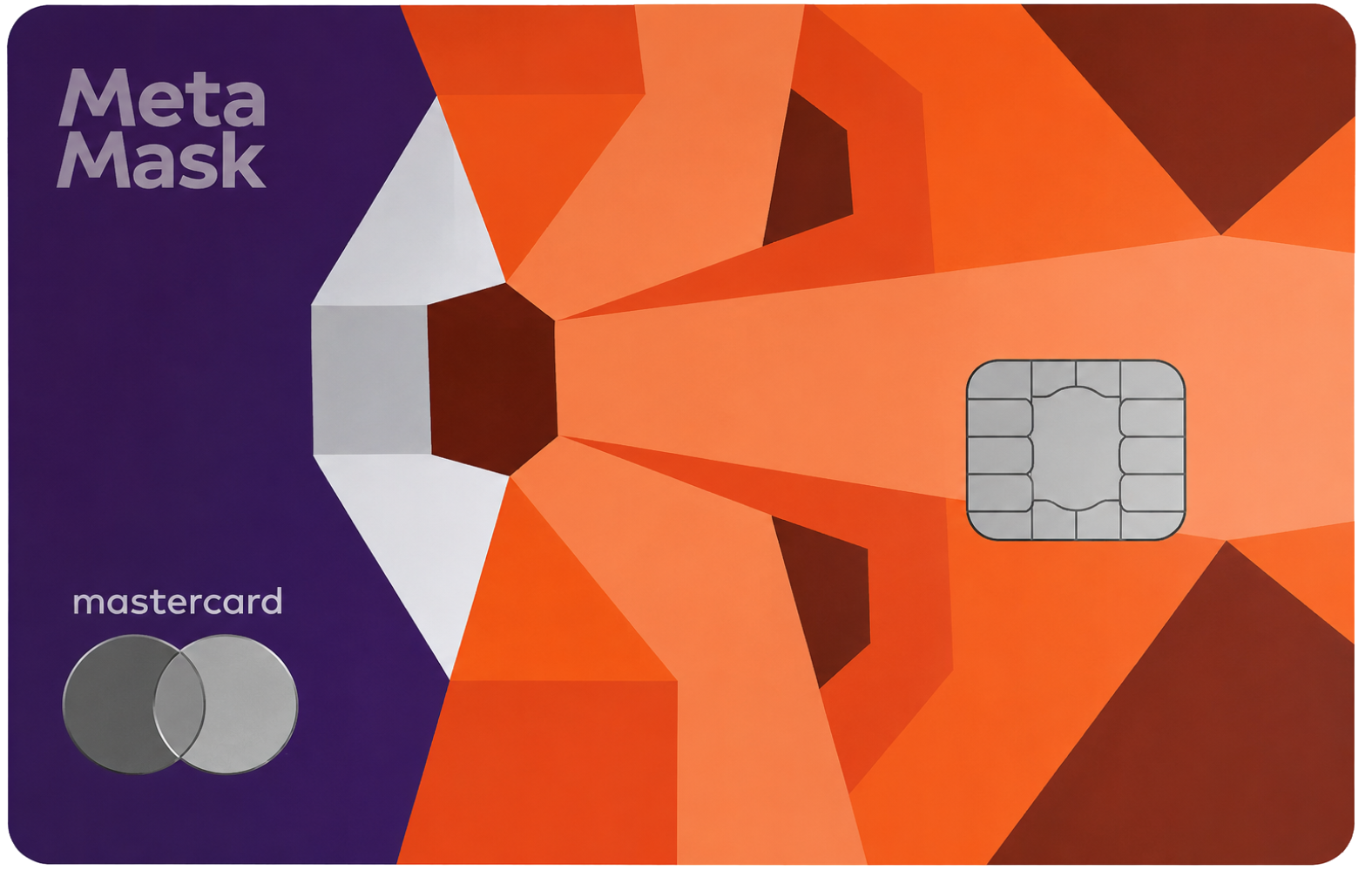
Mandatory staking carries two major risks: capital lockup and exchange rate exposure on the staked cryptocurrency. If the price crashes during the lock-up period (often 180 days), you lose twice, on the staked value and through missed opportunities elsewhere. A no-staking card like Gnosis Pay or MetaMask Card gives you immediate cashback without these constraints and with no additional loss risk.
Gnosis Pay, MetaMask Card, Brighty: 2026 comparison
Gnosis Pay is unique: the first Visa card connected directly to an on-chain wallet, with GNO cashback on every purchase. MetaMask Card offers 1-3% in ETH, ideal for DeFi users. Brighty provides 0.5% to 1.75% cashback in USDC with no staking, plus a built-in European IBAN. All three stand out for full transparency and complete absence of hidden conditions.
Real returns: no-staking cards vs staking cards
The numbers often favour no-staking cards more than most people expect. Example: Gnosis Pay offers 2% cashback in GNO with no staking. Crypto.com Ruby Steel also offers 2% in CRO but requires 350 CRO staked (~€210). At €500/month spending, Gnosis Pay generates €120/year in GNO with zero capital locked. Crypto.com generates the same amount in CRO, but with €210 tied up and exposed to CRO volatility. If CRO drops 30%, the staked value shrinks, making the card retroactively less profitable.
No-staking cards and DeFi: the 2026 convergence
In 2026, no-staking crypto cards are converging with DeFi: Gnosis Pay settles on-chain in xDAI, MetaMask Card debits directly from your Ethereum wallet, Ether.fi Card is backed by liquid-staked ETH. This convergence lets you combine Web3 advantages (self-custody, transparency, DeFi yield) with the convenience of a Visa card accepted worldwide, the most coherent choice for existing DeFi users.
FAQ: common questions about no-staking crypto cards
Can you get more than 2% cashback without staking? In 2026, 2% is the ceiling for no-staking cards (Gnosis Pay, Nexo). Is a no-staking card worse? No, no staking is an advantage in itself: your capital stays liquid and accessible at all times. Is Gnosis Pay truly on-chain? Yes, every transaction settles directly on the Gnosis Chain, publicly visible in the explorer. Can I lose money with a no-staking card? The loss risk is limited to the volatility of the cashback received (GNO, ETH, or USDC).
Also worth exploring: Crypto Cards with No Annual Fees, Crypto Cards with the Best Cashback, Virtual Crypto Cards in 2026.
Without staking, your capital stays free. This is especially advantageous in a volatile market: you're not exposed to the depreciation risk of a staked token. MetaMask Card and Gnosis Pay lead this category.