Best Crypto Cards for Beginners
Updated August 2026 · 72 cards
A beginner crypto card is a Visa or Mastercard with no staking requirement, no annual fee, and a fast sign-up process, designed for spending cryptocurrency without any technical knowledge. These cards were selected for their simplicity: no staking required, no annual fee, and instant cashback from your very first purchase.
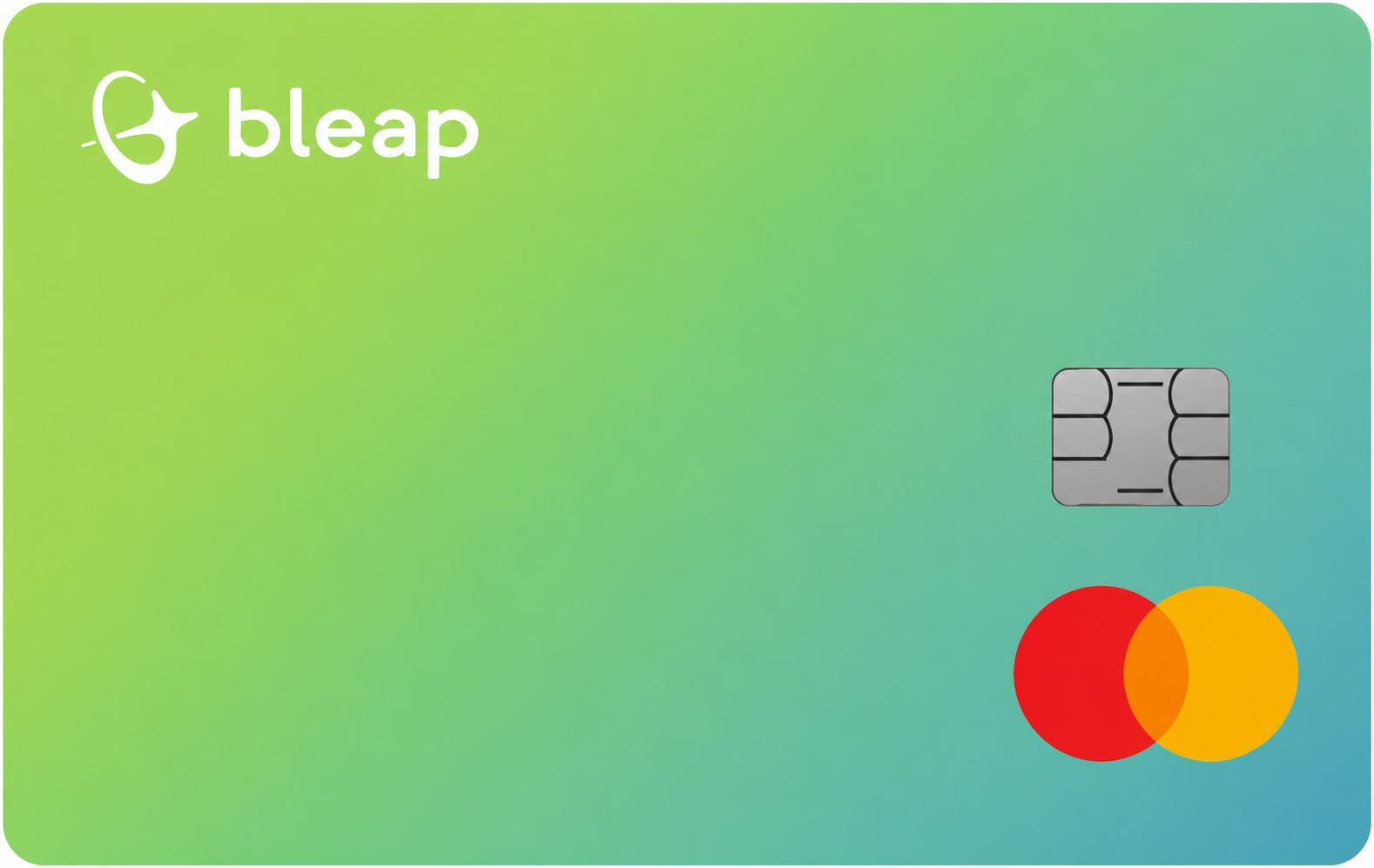
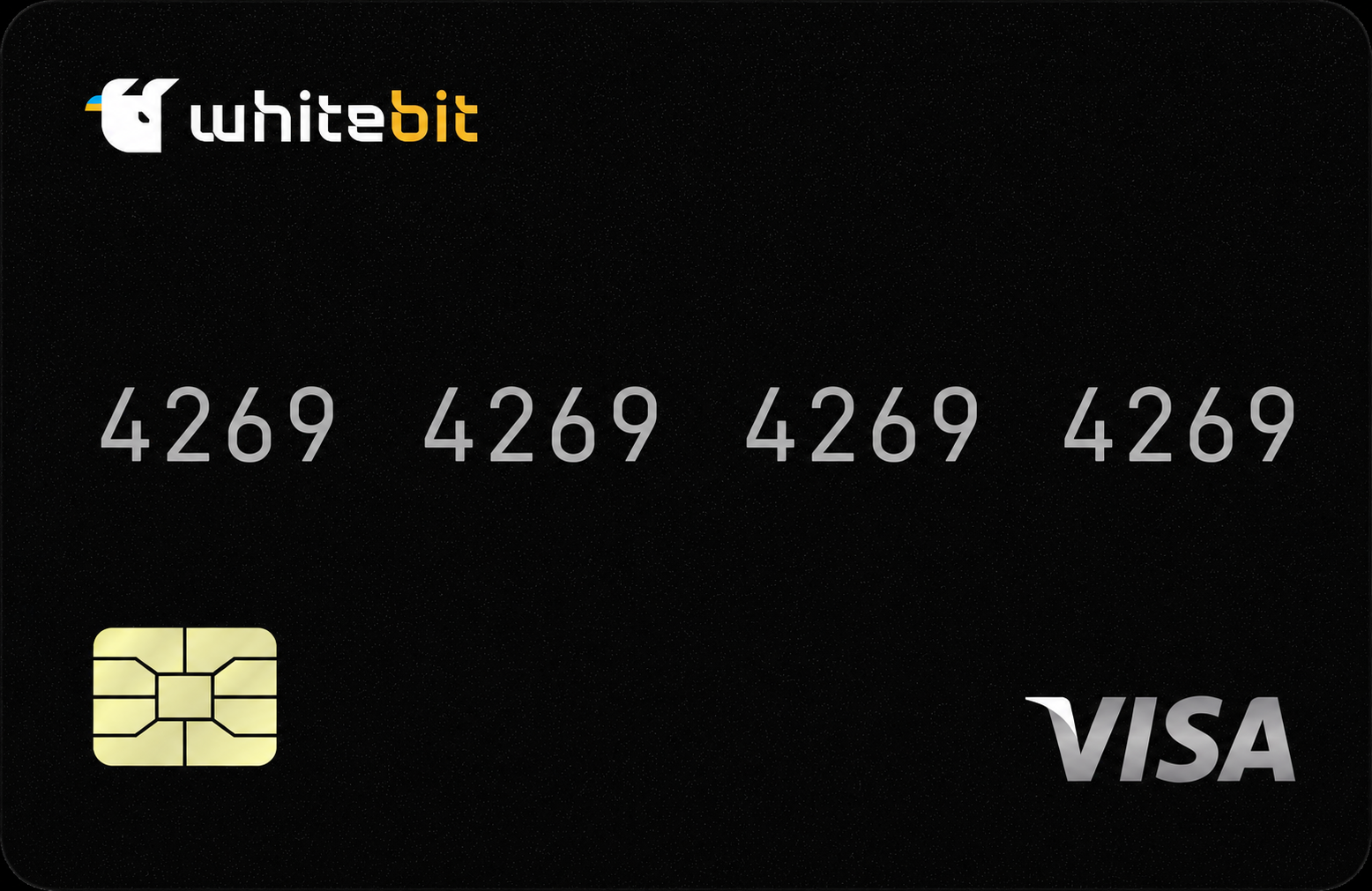
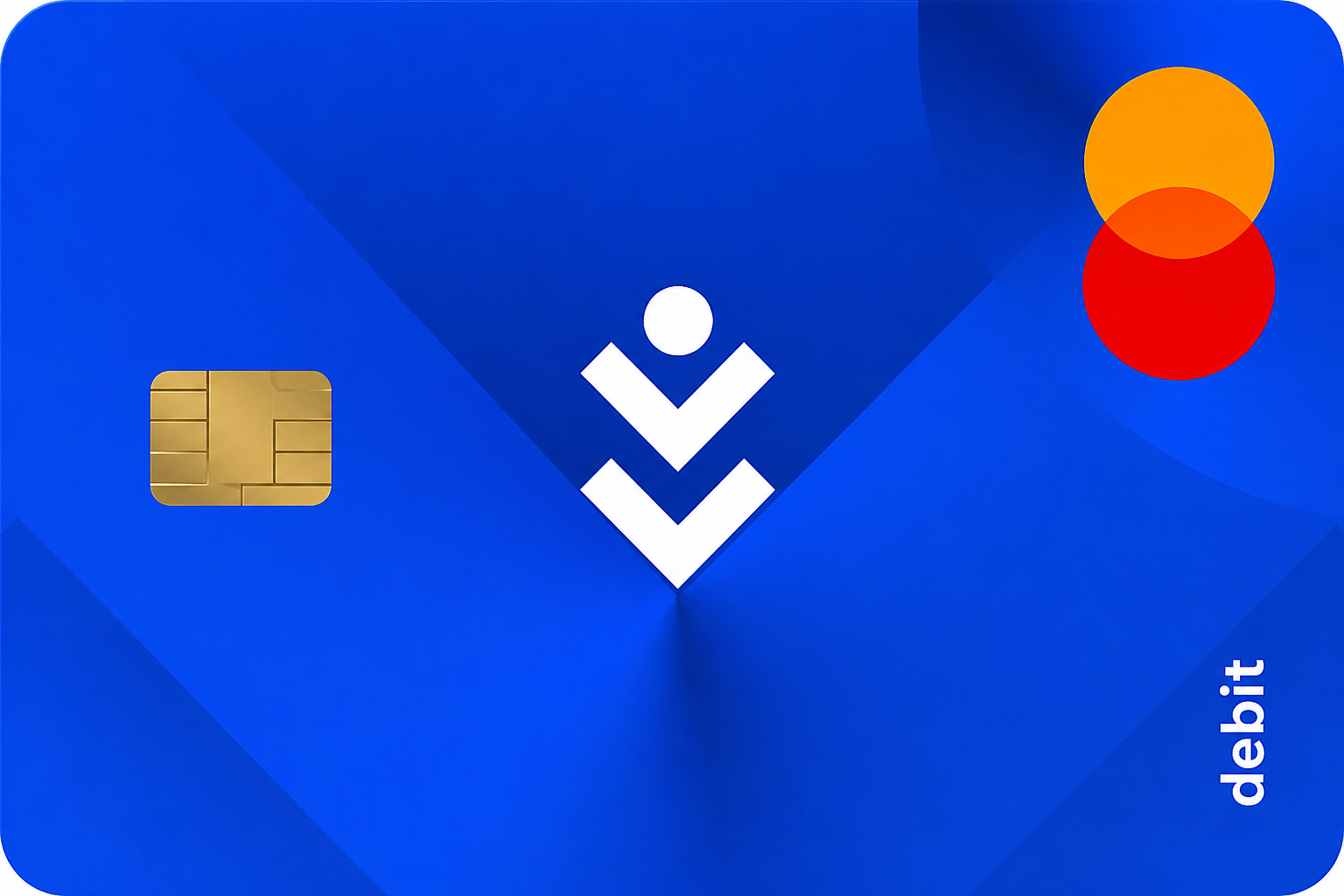
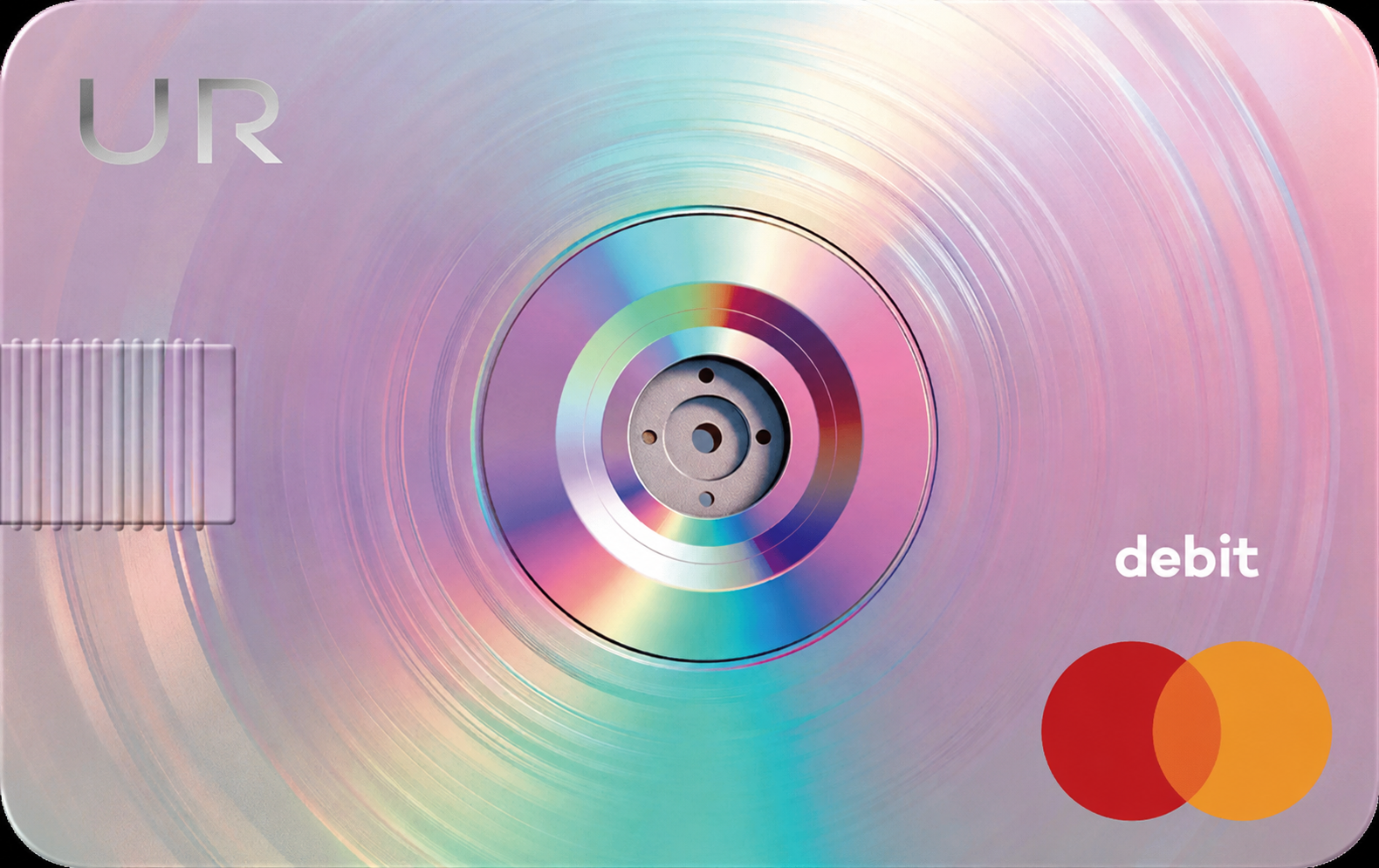
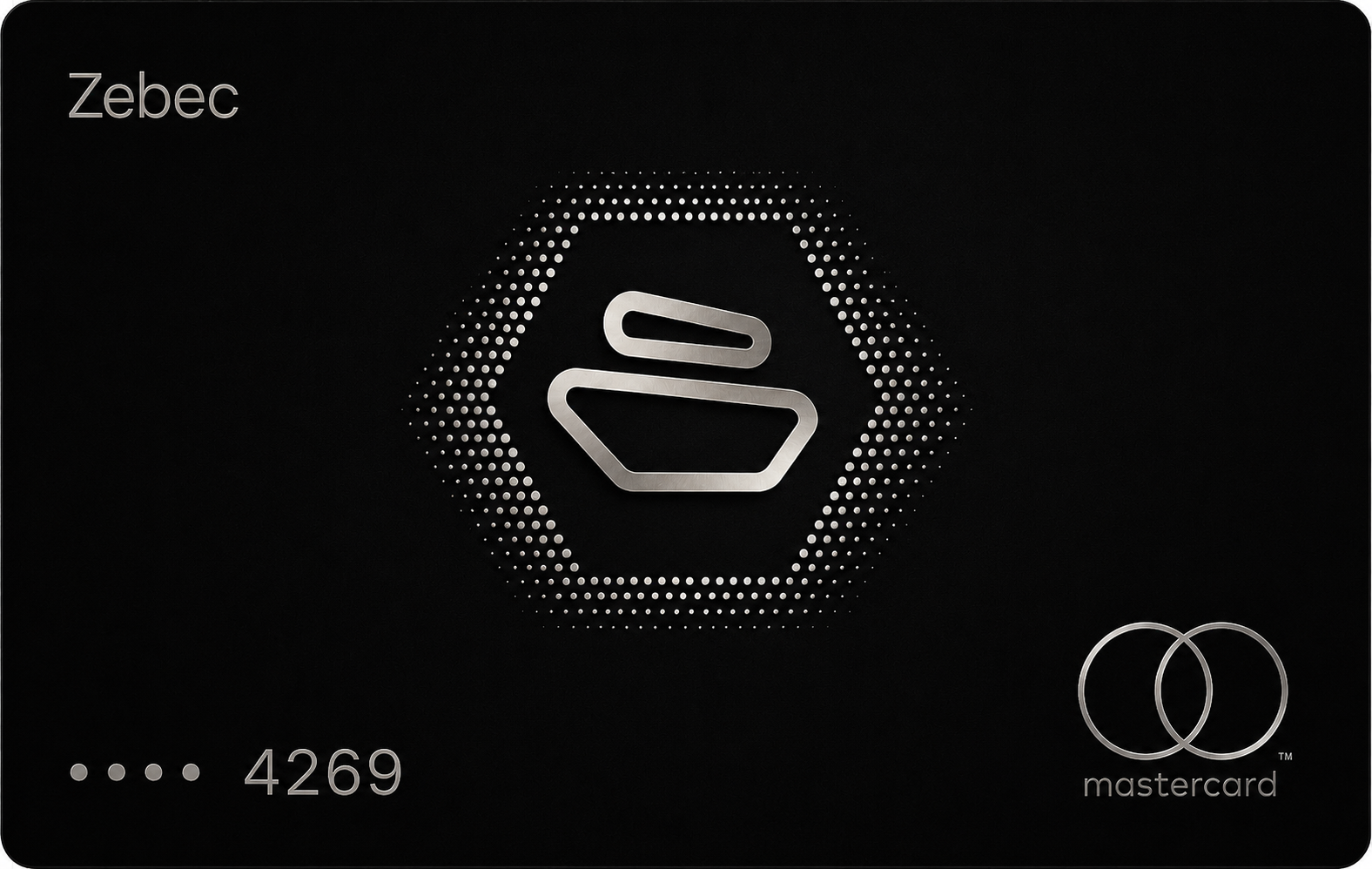
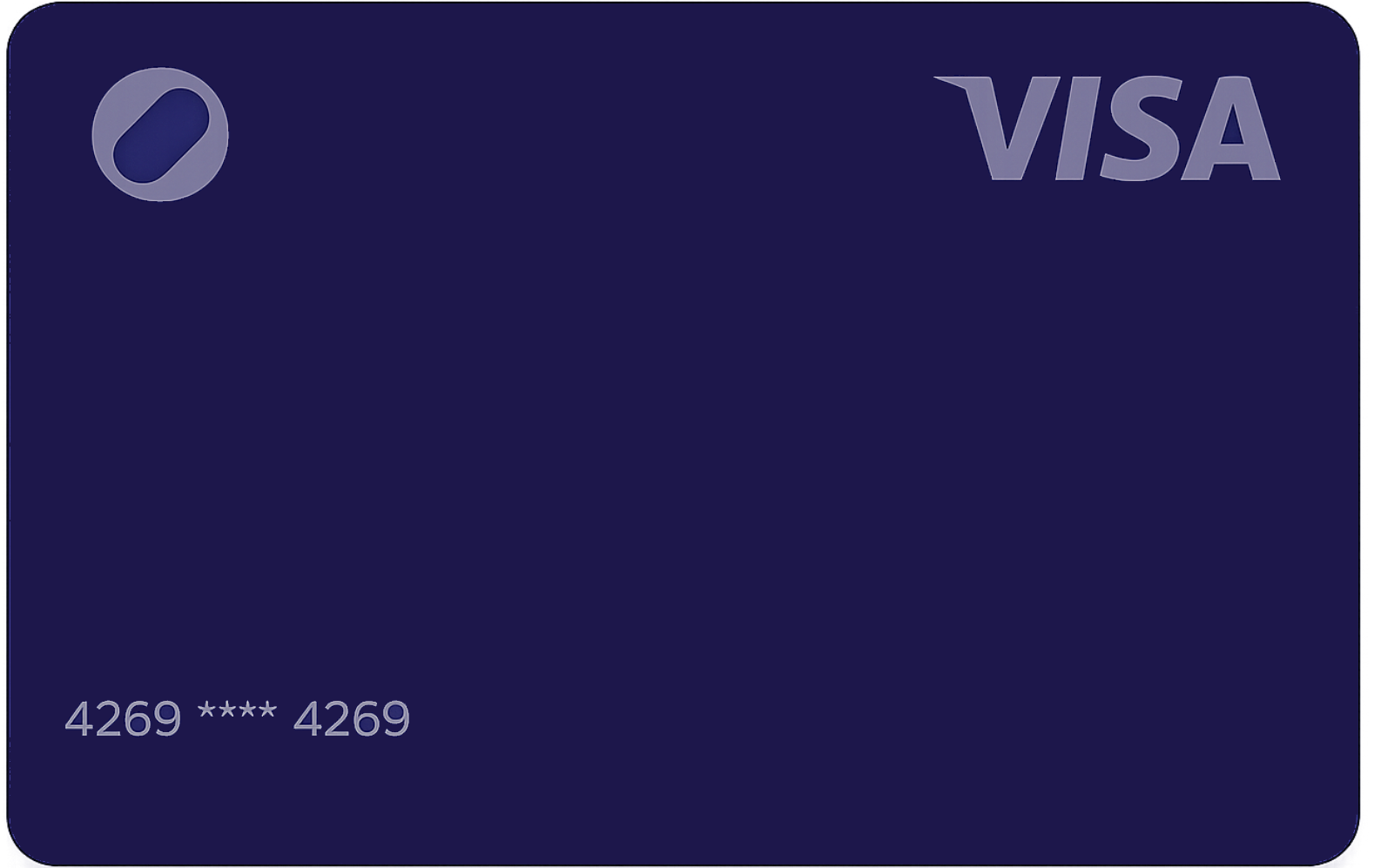
| Criteria | #1Bleap Crypto Card | #2WhiteBIT Nóva | #3COCA Visa Card |
|---|---|---|---|
| Cashback | 20% | 10% | 8% |
| Annual fees | Free | Free | Free |
| Staking req. | Not required | Not required | Not required |
| Network | Mastercard | Visa | Visa |
| Trust Score | 33.0/10 | 60.0/10 | 31.0/10 |










On the same topic, explore our guides on Crypto Cards with No Annual Fees, Crypto Cards Without Staking Requirements and The Best Crypto Cards in 2026. Estimate your earnings with our cashback calculator.
How to get started with a crypto card as a beginner?
The first step is choosing an accessible card with no staking and no annual fees. Open an account on the platform, complete KYC verification (identity + address), then top up your card from your exchange or directly in euros via SEPA transfer. Beginners should avoid platforms with volatile proprietary tokens, opt for cards backed by stablecoins (USDC) or directly by your euro balance for a smoother experience.
Best crypto cards for beginners in 2026: Revolut, Brighty, MetaMask
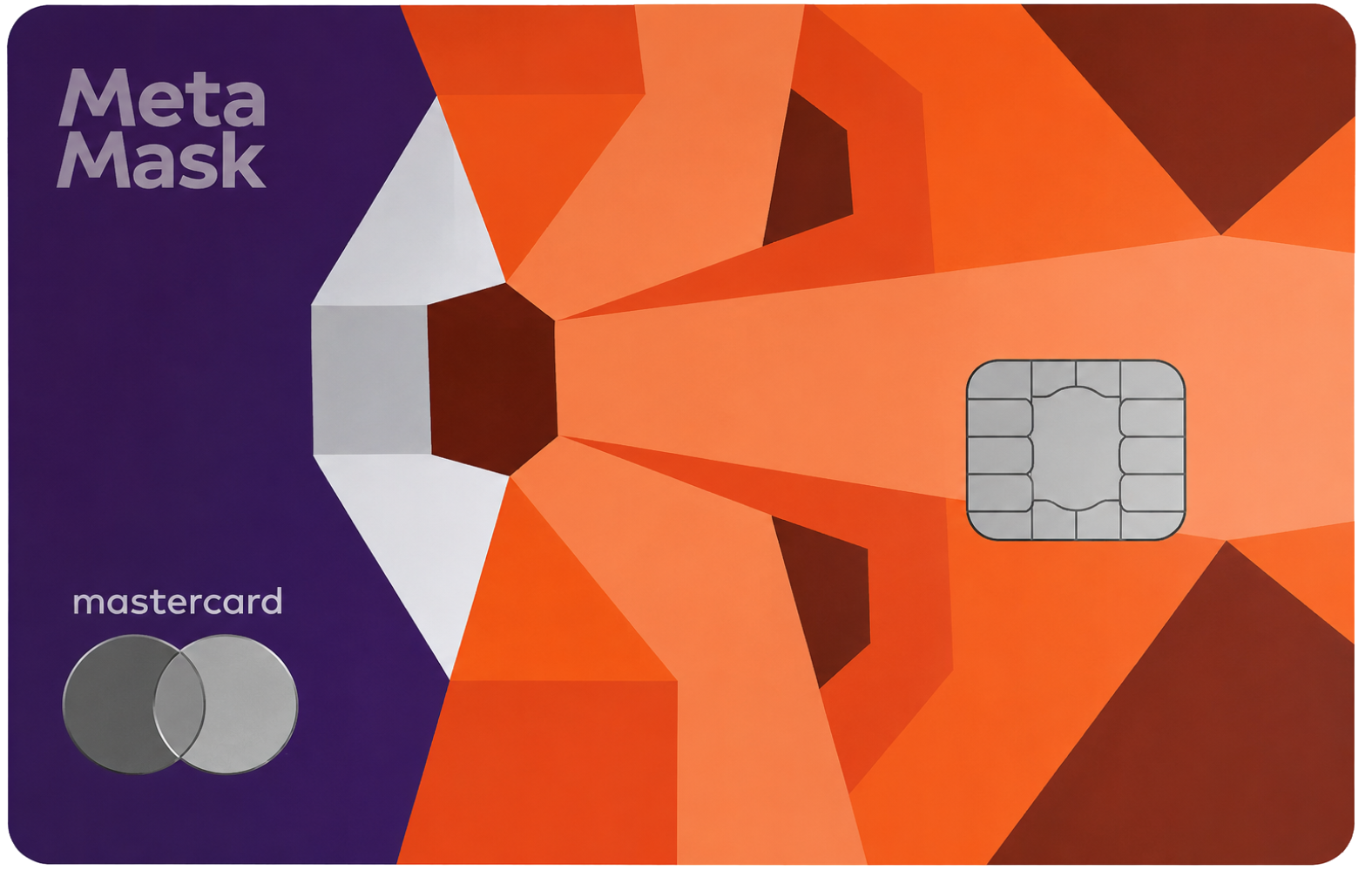
Revolut combines classic banking and crypto in one app, ideal for beginners who want to try without committing. Brighty is 100% free with a European IBAN and USDC cashback with no staking. MetaMask Card is perfect if you're already familiar with Web3 wallets. All three share the same advantage: fast sign-up in under 10 minutes and immediate use from day one.
Mistakes to avoid with your first crypto card
Several classic pitfalls await new users. First: choosing a card based solely on the advertised cashback rate without accounting for staking requirements and token volatility. Second: topping up in crypto at the last minute, which exposes you to transaction delays and variable network fees. Third: neglecting security settings, always enable 2FA and payment notifications. Finally, read the monthly cashback caps carefully before projecting an annual return.
Understanding crypto card tax implications from the start
In most European countries, using a crypto card triggers a taxable event every time you convert crypto to euros. In the UK and France, gains are taxed at flat rates of 20-30%. For beginners, the simplest approach is to top up your card using stablecoins (USDC, USDT): no volatility, no realised gain, no tax on the conversion. This is the easiest way to enjoy crypto cashback without the tax complications tied to volatile assets.
Beginner FAQs about crypto cards
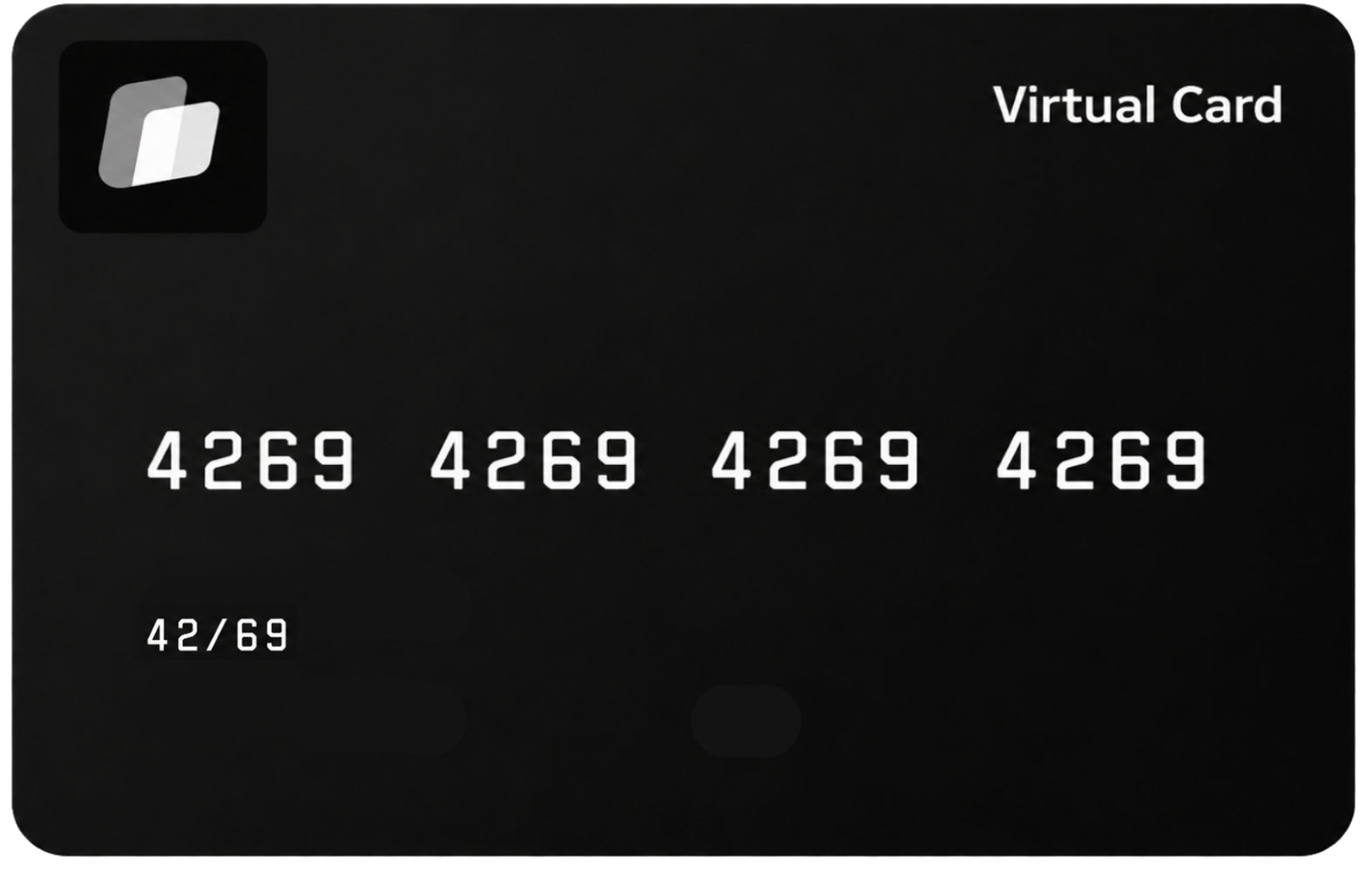
Can you use a crypto card without owning any crypto? Yes, on Brighty or Revolut you can top up in euros via SEPA transfer, without ever touching crypto. Do you need a bank account to get a crypto card? No, some cards (Brighty, MetaMask Card) work without a traditional bank account. How long does it take to receive the card? The virtual version is available in under 5 minutes. The physical card is shipped within 5-10 business days. Do you pay directly with crypto or do you need to convert first? The conversion to euros happens automatically at the point of payment, no manual step required.
Also worth exploring: Crypto Cards with No Annual Fees, Crypto Cards Without Staking Requirements, Virtual Crypto Cards in 2026.
For a beginner, ease of use is the most important criterion. Start with a card that has no staking and no fees. Once you're comfortable, you can explore premium cards with higher cashback rates.