Extra Benefits
The Kolo Card has been making waves with one of the most eye-catching claims in the crypto card space: up to 500% cashback in cryptocurrency. Add a €0 annual fee, no foreign exchange fees, and no staking requirement, and it sounds almost too good to be true. Our job here is to look beyond the marketing and give you a clear, honest picture of what this card actually delivers — and where the red flags lie.
Overview: Kolo Card
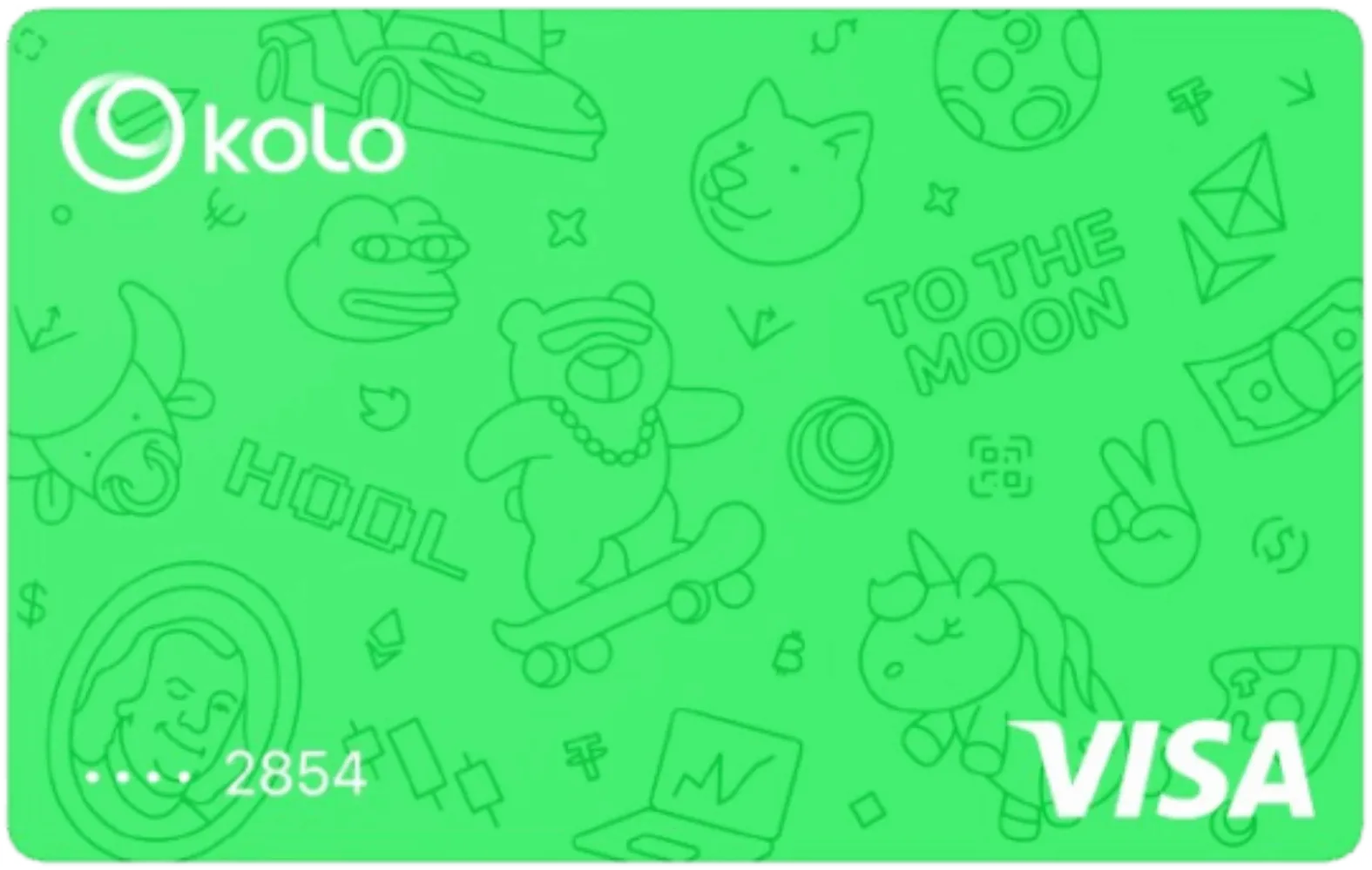
The Kolo Card is issued by Kolo, a relatively new entrant in the European crypto card market. The card runs on the Mastercard network, which means broad acceptance across millions of merchants worldwide — a genuine plus point for day-to-day usability. Kolo positions itself as an accessible crypto rewards card: no staking, no annual fee, no barriers to entry. The product is available in France and across the European Union, making it a candidate for European crypto enthusiasts looking for a zero-cost entry into crypto rewards.
However, Kolo is not a household name. The company's track record, regulatory standing, and operational history are not yet well-documented in the public domain. This matters — and we will come back to it. For now, it is worth noting that the card operates on a mainstream payment network, which at least guarantees a functional payment experience at the point of sale.
Cashback & Rewards
The headline figure here is 500% cashback in crypto — a number that demands scrutiny. In the crypto card world, cashback rates typically range from 0.5% to 8% for mainstream products, with premium tier cards from platforms like Crypto.com or Binance reaching up to 8%. A 500% cashback figure is therefore extraordinary and requires careful interpretation.
In practice, such rates are almost always tied to very specific conditions: particular merchant categories, limited-time promotions, spending caps, or bonus events rather than a blanket reward on all purchases. The "maximum" qualifier is key — this is a ceiling figure, not an everyday rate. Users should expect that the standard cashback rate is considerably lower, with the 500% figure reserved for exceptional scenarios, partner merchant boosts, or introductory offers.
The cashback is paid out in cryptocurrency, though the specific tokens rewarded are not disclosed in detail at this stage. This is important: if rewards are paid in a volatile or obscure token native to the Kolo ecosystem, their real-world value may fluctuate significantly. Before applying, users should confirm which cryptocurrency is distributed as cashback and whether it can be easily converted to mainstream assets like Bitcoin, Ethereum, or euros.
Fees & Conditions
On the fee side, the Kolo Card presents a compelling proposition on paper:
- Annual fee: €0 — the card is free to hold.
- Foreign exchange fees: None — no FX surcharge when spending abroad or in non-euro currencies.
- Staking requirement: None — you do not need to lock up any cryptocurrency to access the card or its rewards.
These are genuinely attractive features, particularly the absence of both an annual fee and FX fees. For travellers or frequent online shoppers dealing in multiple currencies, no FX fees alone can represent a meaningful saving. The fact that no staking is required removes a significant barrier that puts many users off competing products from Crypto.com or Nexo.
That said, the full fee schedule — including ATM withdrawal limits, top-up fees, conversion fees, and any inactivity charges — is not comprehensively documented in publicly available sources. Users should request and read the full terms and conditions before activating the card. With a low-trust-score issuer, hidden fees in the fine print remain a legitimate concern.
Who Is This Card For?
Given its current profile, the Kolo Card may appeal to a narrow set of users:
- Casual crypto curious users who want to dip their toes into crypto rewards without committing capital via staking.
- Low-risk experimenters happy to try a zero-annual-fee product with modest spending volumes while the issuer builds its reputation.
- EU residents and French users looking for a Mastercard-backed option with no FX fees for international purchases.
Conversely, it is not recommended for users who rely on a crypto card as a primary financial instrument, those managing significant crypto portfolios, or anyone who prioritises the safety and regulatory track record of their card issuer above headline reward rates.
Pros
- Zero annual fee — genuinely free to hold and use.
- No foreign exchange fees — useful for travel and cross-border spending.
- No staking requirement — accessible without locking up crypto assets.
- Mastercard network — wide global acceptance.
- Available across the EU including France — regulatory footprint covers major markets.
- Up to 500% crypto cashback — exceptional ceiling rate if promotional conditions are met.
Cons
- Very low trust score of 26/100 — a significant red flag for an issuer asking you to link your finances to their platform.
- Limited public information — Kolo's regulatory status, licensing, and company history are not transparently communicated.
- 500% cashback is almost certainly not a standard rate — misleading headline figures risk disappointing users who expect this on everyday spending.
- Unclear cashback token details — the cryptocurrency distributed as reward may be illiquid or highly volatile.
- No documented ATM or withdrawal limits — lack of transparency on operational caps.
- Relatively unknown issuer — no established reputation, user reviews, or long-term track record to reference.
Our Verdict
The Kolo Card occupies an uncomfortable position: its fee structure is genuinely competitive, and the absence of staking requirements lowers the barrier to entry in a refreshing way. On paper, it checks several boxes that users want ticked. But the trust score of 26/100 is not a number to dismiss lightly. In the crypto card space — where user funds, card top-ups, and crypto rewards are all in play — the credibility and regulatory standing of the issuer is arguably the most important factor of all.
The 500% cashback figure, while eye-catching, should be treated as a marketing ceiling rather than a realistic everyday expectation. Until Kolo establishes a clearer public track record, demonstrates robust regulatory compliance, and provides full transparency on its fee schedule and reward mechanics, we recommend caution. If you choose to try the Kolo Card, limit your exposure by using it for small, regular purchases rather than as your primary card. Monitor the actual cashback you receive and read every line of the terms and conditions before proceeding.
For users who prioritise security and issuer reputation above all else, established alternatives such as the Crypto.com Visa Card or Binance Card remain more dependable choices — even if they require staking or carry fees that Kolo does not.
Related guides
FAQ
- Is the Kolo Card really free with no annual fee? Yes, the Kolo Card carries a €0 annual fee, and no staking of cryptocurrency is required to access the card. However, users should review the full terms and conditions to check for any other charges such as ATM fees, inactivity fees, or top-up costs that may apply.
- Can I really get 500% cashback on every purchase? No — 500% is the stated maximum cashback rate and almost certainly applies only under specific promotional conditions, partner merchant offers, or limited-time events. The standard everyday cashback rate is expected to be significantly lower. Always confirm the actual reward tiers directly with Kolo before applying.
- Why is the trust score so low at 26/100? The trust score reflects factors such as the issuer's public reputation, transparency of information, regulatory clarity, and available user reviews. Kolo is a relatively new and lesser-known issuer with limited documented history, which contributes to a low score. This does not necessarily mean the card is fraudulent, but it does warrant extra caution from users.
- Is the Kolo Card available in France and the rest of the EU? Yes, the Kolo Card is available in France and throughout the European Union. It operates on the Mastercard network, ensuring broad acceptance at merchants across Europe and internationally.
Availability
Extra Benefits
- No annual fees
- No FX fees
- Cashback
Accepted Cryptos
FAQ
- Is the Kolo Card really free with no annual fee? Yes, the Kolo Card carries a €0 annual fee, and no staking of cryptocurrency is required to access the card. However, users should review the full terms and conditions to check for any other charges such as ATM fees, inactivity fees, or top-up costs that may apply.
- Can I really get 500% cashback on every purchase? No — 500% is the stated maximum cashback rate and almost certainly applies only under specific promotional conditions, partner merchant offers, or limited-time events. The standard everyday cashback rate is expected to be significantly lower. Always confirm the actual reward tiers directly with Kolo before applying.
- Why is the trust score so low at 26/100? The trust score reflects factors such as the issuer's public reputation, transparency of information, regulatory clarity, and available user reviews. Kolo is a relatively new and lesser-known issuer with limited documented history, which contributes to a low score. This does not necessarily mean the card is fraudulent, but it does warrant extra caution from users.
- Is the Kolo Card available in France and the rest of the EU? Yes, the Kolo Card is available in France and throughout the European Union. It operates on the Mastercard network, ensuring broad acceptance at merchants across Europe and internationally.
Related pages
💰Best cashback cards🆓No-fee cards🔓No-staking cards🎯Beginner-friendly cards🎁Rewards cards✈️Cards for travelers🚀Best cards 2026💰Cashback Calculator📊Fee CalculatorVisit the official offer to see the full terms and sign up.
See offer