Extra Benefits
The COCA Visa Card is one of the most unusual propositions in the crypto card space right now. Advertising up to 800% cashback in cryptocurrency with zero annual fees and no staking requirement, it sounds almost too good to be true — and that's exactly the lens through which you should read this review. With a trust score of 31 out of 100, there is real cause for caution. Let's break down what COCA is offering, who it's for, and whether it's worth your attention in 2026.
Overview: COCA Visa Card
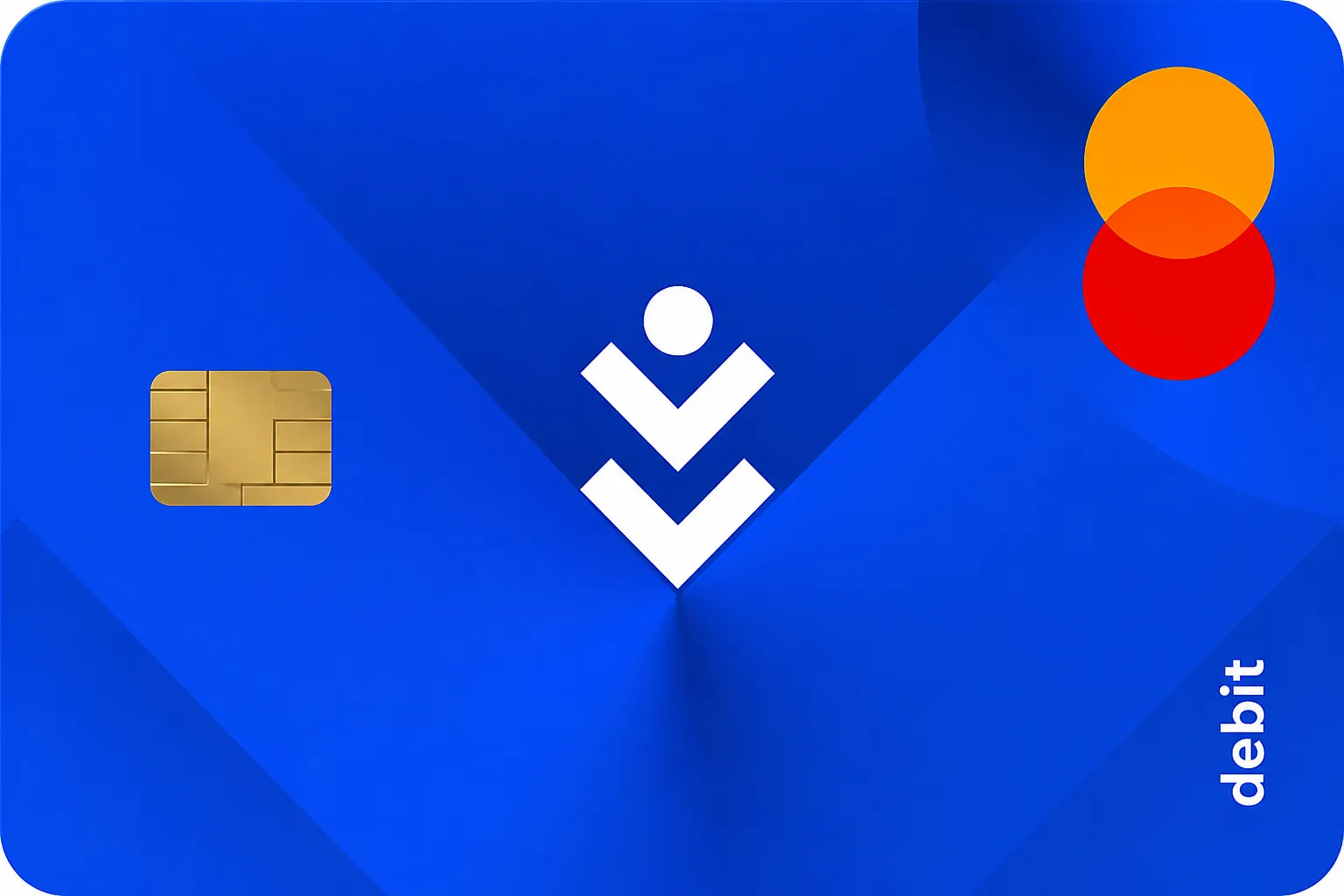
The COCA Visa Card is issued by COCA, a relatively new entrant in the Web3 payments space. The card operates on the Visa network, meaning it is accepted at tens of millions of merchants worldwide, including online and in-store retailers across Europe. It is available to users in France and the broader European Union, which gives it decent geographic coverage for EU-based crypto enthusiasts.
COCA positions itself as a self-custody crypto card, a concept that sets it apart from most competitors. Unlike traditional crypto cards where your funds are held by a centralised custodian, COCA claims to allow users to retain control over their own private keys while still being able to spend crypto seamlessly. The platform leans heavily into Web3 ideology — decentralisation, user ownership, and minimal friction.
However, COCA remains a relatively obscure player in the market. There is limited publicly available information about the company's regulatory standing, backing, or track record. This opacity is one of the primary factors contributing to its low trust score and is something prospective users must weigh seriously before committing.
Cashback & Rewards
The headline claim that draws most attention to the COCA Visa Card is its up to 800% cashback in cryptocurrency. This figure is extraordinary — even the most competitive crypto cards on the market, such as those from Crypto.com or Binance, typically offer between 1% and 8% cashback. A figure of 800% demands serious scrutiny.
In practice, such a cashback rate is almost certainly not a flat rate on all purchases. It is more likely tied to specific promotional campaigns, limited-time offers, particular merchant categories, or early adopter bonuses. Without full transparency from COCA regarding the exact cashback mechanics, it is impossible to verify when and how users can realistically achieve this rate.
What is known is that rewards are paid out in cryptocurrency, aligning with COCA's Web3 positioning. The specific tokens distributed as cashback are not clearly detailed in public-facing documentation, which is another point of concern. Users should ask: which crypto do you actually receive? Is it a stablecoin, a major asset like BTC or ETH, or a proprietary COCA token with limited liquidity?
If you are evaluating this card purely for its cashback potential, treat the 800% figure as a maximum under ideal promotional conditions, not as a reliable everyday return.
Fees & Conditions
On paper, the COCA Visa Card is very competitive when it comes to fees. The annual fee is €0, meaning there is no baseline cost to simply holding the card. This is a genuine advantage in a market where some premium crypto cards charge significant annual or monthly fees.
Equally notable is the absence of a staking requirement. Many crypto card providers — most famously Crypto.com — require users to lock up (stake) a significant amount of their native token to unlock better cashback tiers. COCA removes this barrier entirely, making the card accessible without needing to tie up capital.
However, the question of hidden fees remains open. Common charges in the crypto card ecosystem include:
- Foreign exchange (FX) conversion fees
- ATM withdrawal fees above a certain monthly limit
- Card top-up or loading fees
- Inactivity fees after a period of non-use
- Crypto-to-fiat conversion spreads
COCA does not provide clear, consolidated fee documentation in standard public materials. Before activating the card, users must request a full fee schedule and read the terms and conditions carefully. The self-custody model also introduces operational complexity — users need to understand how spending interacts with their non-custodial wallet setup.
Who Is This Card For?
The COCA Visa Card targets a specific type of user. It is most suited to:
- Web3 native users who are comfortable managing self-custody wallets and understand the risks involved
- Early adopters willing to test a newer, less-established platform in exchange for potentially high rewards
- EU-based crypto holders looking for a fee-free card without staking obligations
- DeFi enthusiasts who value financial sovereignty over the convenience of a centralised provider
It is not recommended for users who prioritise security, regulatory clarity, or reliable customer support above all else. If you are new to crypto, a more established card from a regulated provider would be a far safer starting point.
Pros
- Zero annual fee — no ongoing cost to hold or use the card
- No staking required — cashback is accessible without locking up capital
- Self-custody model — aligns with Web3 principles of financial sovereignty
- Visa network — broad global acceptance at millions of merchants
- Available in France and the EU — solid geographic coverage for European users
- High theoretical cashback — potential for significant crypto rewards under promotional conditions
- Web3 and no-fee positioning — appeals to users frustrated with traditional finance fees
Cons
- Very low trust score (31/100) — significant red flag for security and reliability
- Limited transparency — unclear regulatory status, company background, and cashback mechanics
- 800% cashback is misleading — almost certainly not a realistic everyday rate; conditions are vague
- Unknown cashback currency — the specific crypto received as rewards is not clearly disclosed
- Self-custody complexity — not beginner-friendly; requires technical knowledge to manage safely
- Potential hidden fees — FX fees, ATM limits, and conversion spreads are not clearly itemised
- Limited track record — COCA lacks the history and public reputation of established competitors
- Customer support uncertainty — no clear evidence of robust support infrastructure for EU users
Our Verdict
The COCA Visa Card presents an intriguing but deeply uncertain proposition. The combination of zero fees, no staking, and self-custody is genuinely appealing — especially for users who are philosophically aligned with Web3 values. In a market dominated by platforms that demand large token stakes to unlock basic rewards, COCA's barrier-free approach stands out.
But the trust score of 31/100 cannot be ignored. It reflects a real lack of transparency, limited regulatory visibility, and insufficient public information about the company's operations and financial standing. The 800% cashback figure, while eye-catching, is almost certainly a marketing headline rather than a sustainable everyday benefit.
Our recommendation: approach with caution. If you are an experienced Web3 user who understands self-custody risks and wants to experiment with a small amount of funds, COCA could be worth exploring. But for anyone seeking a dependable, regulated, and transparent crypto card for everyday use, better-established alternatives remain the safer choice in 2026.
Related guides
FAQ
- Is the COCA Visa Card really free to use? The card has no annual fee (€0/year), but users should carefully check for potential hidden charges such as FX conversion fees, ATM withdrawal limits, and crypto-to-fiat spread costs before using it regularly.
- How does the 800% cashback actually work? COCA advertises up to 800% cashback in crypto, but this rate is almost certainly tied to specific promotional conditions or limited-time offers rather than everyday spending. Always verify the exact terms directly with COCA before relying on this figure.
- Do I need to stake tokens to use the COCA Visa Card? No. Unlike many competitors, the COCA Visa Card requires no staking whatsoever. You can access the card and its rewards without locking up any cryptocurrency, which is a genuine advantage for users who prefer liquidity.
- Is the COCA Visa Card available in France and the EU? Yes, the COCA Visa Card is available in France and across the European Union. However, given the card's low trust score of 31/100, EU users are advised to verify COCA's regulatory compliance in their specific country before applying.
Availability
Extra Benefits
- Self-custody
- No annual fees
- High cashback
- Web3 compatible
Accepted Cryptos
FAQ
- Is the COCA Visa Card really free to use? The card has no annual fee (€0/year), but users should carefully check for potential hidden charges such as FX conversion fees, ATM withdrawal limits, and crypto-to-fiat spread costs before using it regularly.
- How does the 800% cashback actually work? COCA advertises up to 800% cashback in crypto, but this rate is almost certainly tied to specific promotional conditions or limited-time offers rather than everyday spending. Always verify the exact terms directly with COCA before relying on this figure.
- Do I need to stake tokens to use the COCA Visa Card? No. Unlike many competitors, the COCA Visa Card requires no staking whatsoever. You can access the card and its rewards without locking up any cryptocurrency, which is a genuine advantage for users who prefer liquidity.
- Is the COCA Visa Card available in France and the EU? Yes, the COCA Visa Card is available in France and across the European Union. However, given the card's low trust score of 31/100, EU users are advised to verify COCA's regulatory compliance in their specific country before applying.
Related pages
💰Best cashback cards🆓No-fee cards🔓No-staking cards🎯Beginner-friendly cards🎁Rewards cards✈️Cards for travelers🚀Best cards 2026💰Cashback Calculator📊Fee CalculatorVisit the official offer to see the full terms and sign up.
See offer