Extra Benefits
The Binance Card is one of the most talked-about crypto cards on the market, backed by the world's largest crypto exchange by trading volume. With zero annual fees and the promise of up to 8% cashback in cryptocurrency, it sounds like a no-brainer. But is it really as attractive as it appears? Our independent analysis digs into the details so you can make an informed decision.
Overview of the Binance Card
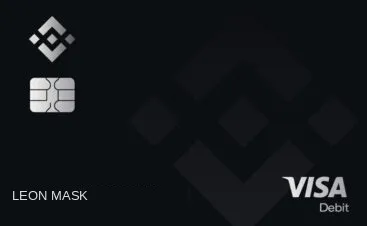
The Binance Card is a Visa prepaid debit card issued directly by Binance, the globally dominant cryptocurrency exchange founded in 2017 by Changpeng Zhao (CZ). The card is powered by the Visa network, meaning it is accepted at tens of millions of merchants worldwide, both online and in-store.
Launched initially in Europe in 2020, the Binance Card quickly attracted attention due to its tight integration with the Binance ecosystem. It allows users to spend their crypto holdings seamlessly, with the card automatically converting selected crypto assets into fiat at the point of sale. Available across the European Union including France, it targets the growing segment of everyday crypto users who want to bridge the gap between digital assets and daily spending.
It is worth noting that Binance has faced significant regulatory scrutiny in multiple jurisdictions since 2021, which directly impacts our trust assessment of this product. The card itself operates through regulated partner institutions, but the broader Binance context should not be ignored by cautious users.
Cashback and Rewards
The cashback structure of the Binance Card is its headline feature. The card offers up to 8% cashback paid out in BNB (Binance Coin), Binance's native cryptocurrency. This is one of the highest advertised cashback rates available on any crypto card in 2026.
However, the actual cashback rate you receive is tiered and directly linked to how much BNB you hold in your Binance account:
- 0% cashback – No BNB held
- Up to 8% cashback – With the highest BNB holding tier
Importantly, the card currently advertises no staking requirement, meaning you do not need to lock your BNB in a staking contract to qualify — simply holding the required amount in your spot wallet is sufficient. This is a notable advantage compared to competitors like Crypto.com, which require locked staking periods of up to 180 days.
All cashback is distributed in BNB, which introduces a layer of volatility risk. The value of your rewards can increase or decrease depending on BNB's market price. Rewards are typically credited to your Binance account within a few days of the qualifying transaction. There is no option to receive cashback in euros or other stable assets directly.
It is also important to read the fine print: certain merchant categories and transaction types may be excluded from cashback eligibility. Withdrawals, peer-to-peer transfers, and transactions flagged as non-retail are generally not rewarded.
Fees and Conditions
On the surface, the Binance Card is remarkably affordable:
- Annual fee: €0 — completely free to hold
- Card issuance fee: Generally free (subject to regional terms)
- Payment fees: No transaction fees on standard purchases
- Staking requirement: None — hold BNB in spot wallet to unlock tiers
However, users should be aware of several potential hidden or indirect costs:
- Crypto-to-fiat conversion spread: When you pay at a merchant, Binance converts your crypto to fiat. The exchange rate used may include a spread that is not explicitly labeled as a fee.
- ATM withdrawal fees: Free ATM withdrawals are capped at a monthly limit (typically around €200–€300/month). Exceeding this limit incurs a 1–3% fee depending on the ATM and region.
- FX fees: When spending in a currency other than euros, foreign exchange fees may apply.
- BNB exposure risk: Holding BNB to unlock cashback tiers exposes you to the price volatility of a single asset.
Overall, the fee structure is competitive, but users must factor in the indirect costs of holding BNB and managing crypto-to-fiat conversion rates carefully.
Who Is This Card For?
The Binance Card is best suited for a specific type of user. It is not a universal recommendation for everyone. Here are the profiles that will benefit most:
- Active Binance users: If you already trade or hold crypto on Binance regularly, the card integrates seamlessly with your existing wallet and account.
- BNB holders: If you already hold BNB or plan to accumulate it, unlocking higher cashback tiers becomes a natural extension of your strategy.
- Crypto-native spenders: Users who want to spend crypto in daily life without converting to a bank account first will appreciate the frictionless payment experience.
- Cost-conscious users: The zero annual fee makes it a low-risk card to add to your wallet alongside a traditional bank card.
Conversely, users who prioritize regulatory safety, customer support reliability, or who are uncomfortable with Binance's regulatory history should consider alternatives such as the Crypto.com Visa Card or the Coinbase Card.
Advantages
- Zero annual fee — no cost to hold or use the card
- Up to 8% cashback in BNB — one of the highest rates in the market
- No staking lock-up required — simply hold BNB in your spot wallet
- Seamless Binance wallet integration — spend directly from your crypto portfolio
- Visa network acceptance — works at millions of merchants globally
- Available across the EU including France
- No fees on standard purchases
- Instant crypto-to-fiat conversion at point of sale
Disadvantages
- Low trust score of 55/100 — Binance's ongoing regulatory issues in multiple countries raise legitimate concerns
- Cashback paid only in BNB — no stable or fiat cashback option, introducing volatility risk
- Cashback tiers require holding significant BNB — high tiers may require substantial capital allocation to a single asset
- Hidden conversion spread — crypto-to-fiat conversion at point of sale may not be at the best market rate
- ATM withdrawal limits — free ATM use is capped monthly
- Customer support quality — Binance's support has historically been criticized for slow response times
- Regulatory uncertainty — Binance has faced bans and restrictions in several jurisdictions; EU availability may evolve
- BNB concentration risk — heavy reliance on a single ecosystem token
Our Verdict
The Binance Card is a compelling option on paper — zero fees, high cashback potential, and deep wallet integration make it attractive for active Binance users. If you already hold BNB and use Binance daily, this card adds genuine value to your crypto lifestyle at no extra cost.
That said, the trust score of 55/100 is a significant flag that cannot be overlooked. Binance's regulatory history — including fines, restrictions, and the high-profile departure of its founder — introduces a level of platform risk that more conservative users should weigh carefully. The cashback paid exclusively in BNB also means your rewards are only as valuable as BNB's price on the day you receive them.
Our recommendation: The Binance Card earns a place in your wallet as a secondary card if you are already embedded in the Binance ecosystem. For users seeking a primary crypto card with stronger regulatory backing and more stable reward structures, we recommend comparing alternatives before committing. Proceed with eyes open, and never hold more BNB than you are comfortable risking.
Related guides
FAQ
- Is the Binance Card really free to use? Yes, the Binance Card has no annual fee and no standard purchase fees. However, indirect costs such as the crypto-to-fiat conversion spread and ATM fees above the monthly free limit can apply, so it is not entirely cost-free in all usage scenarios.
- How does the 8% cashback work on the Binance Card? The 8% cashback rate is the maximum tier and requires holding a significant amount of BNB in your Binance spot wallet. Lower tiers offer reduced cashback rates. All rewards are paid in BNB, and their value fluctuates with BNB's market price.
- Do I need to stake BNB to use the Binance Card? No staking lock-up is required. Unlike some competitor cards, you only need to hold BNB in your spot wallet to qualify for cashback tiers — there is no mandatory staking period or lock-up.
- Is the Binance Card available in France and the EU? Yes, the Binance Card is currently available in France and across most of the European Union. However, given Binance's evolving regulatory situation in Europe, users are advised to monitor any changes in availability or terms that may arise from ongoing regulatory developments.
Availability
Extra Benefits
- Jusqu'à 8% cashback avec BNB staké
- Paiement sans frais
- Intégration wallet Binance
Accepted Cryptos
FAQ
- Is the Binance Card really free to use? Yes, the Binance Card has no annual fee and no standard purchase fees. However, indirect costs such as the crypto-to-fiat conversion spread and ATM fees above the monthly free limit can apply, so it is not entirely cost-free in all usage scenarios.
- How does the 8% cashback work on the Binance Card? The 8% cashback rate is the maximum tier and requires holding a significant amount of BNB in your Binance spot wallet. Lower tiers offer reduced cashback rates. All rewards are paid in BNB, and their value fluctuates with BNB's market price.
- Do I need to stake BNB to use the Binance Card? No staking lock-up is required. Unlike some competitor cards, you only need to hold BNB in your spot wallet to qualify for cashback tiers — there is no mandatory staking period or lock-up.
- Is the Binance Card available in France and the EU? Yes, the Binance Card is currently available in France and across most of the European Union. However, given Binance's evolving regulatory situation in Europe, users are advised to monitor any changes in availability or terms that may arise from ongoing regulatory developments.
Related pages
🏷️Brand page⭐Full review💰Best cashback cards🆓No-fee cards🔓No-staking cards🎯Beginner-friendly cards🎁Rewards cards✈️Cards for travelers🚀Best cards 2026🔄Binance Alternatives💰Cashback Calculator📊Fee CalculatorComparisons
⚖️Binance Standard vs Revolut MetalVisit the official offer to see the full terms and sign up.
See offer