Gnosis Pay Card vs Revolut Metal
Detailed comparison
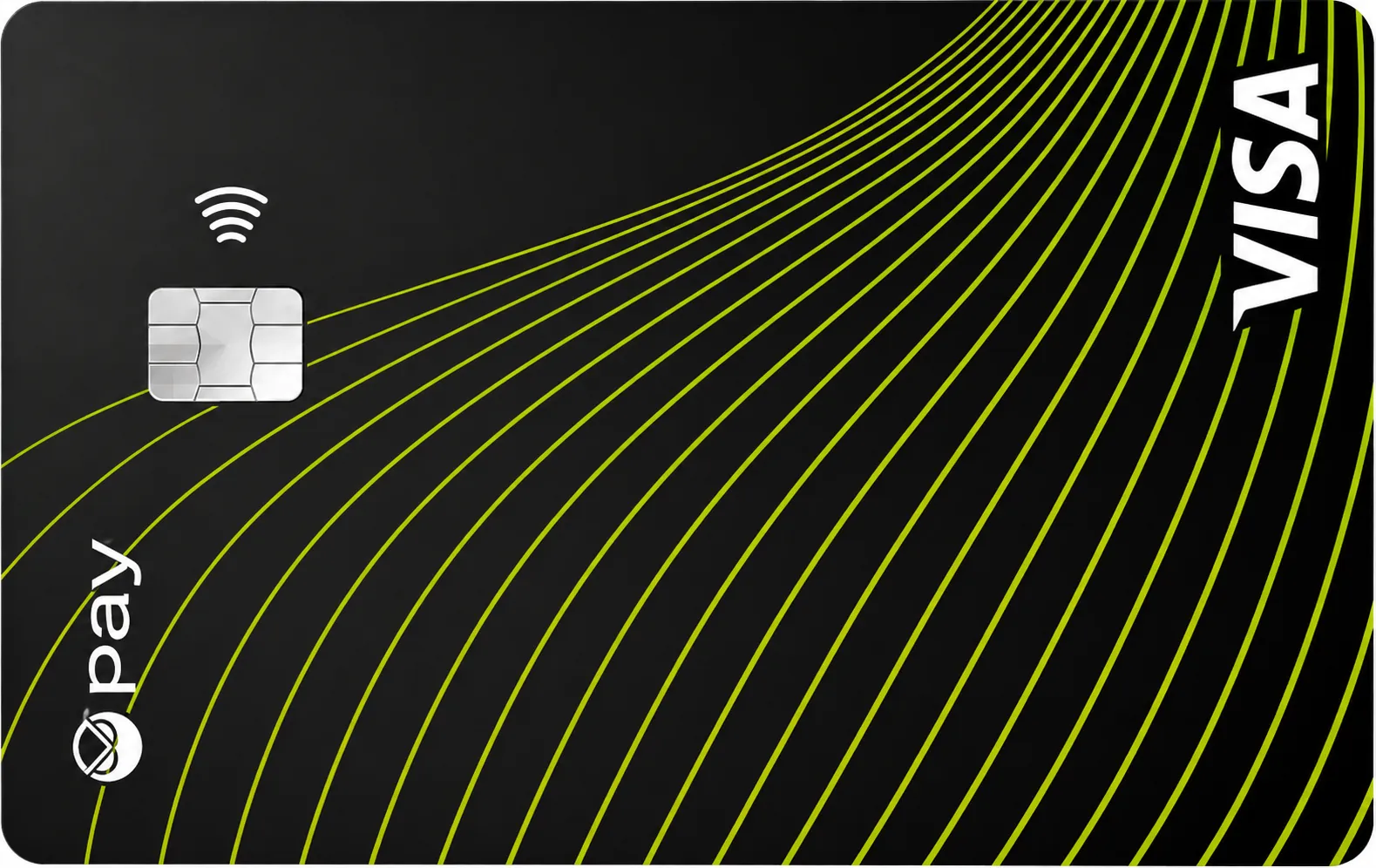
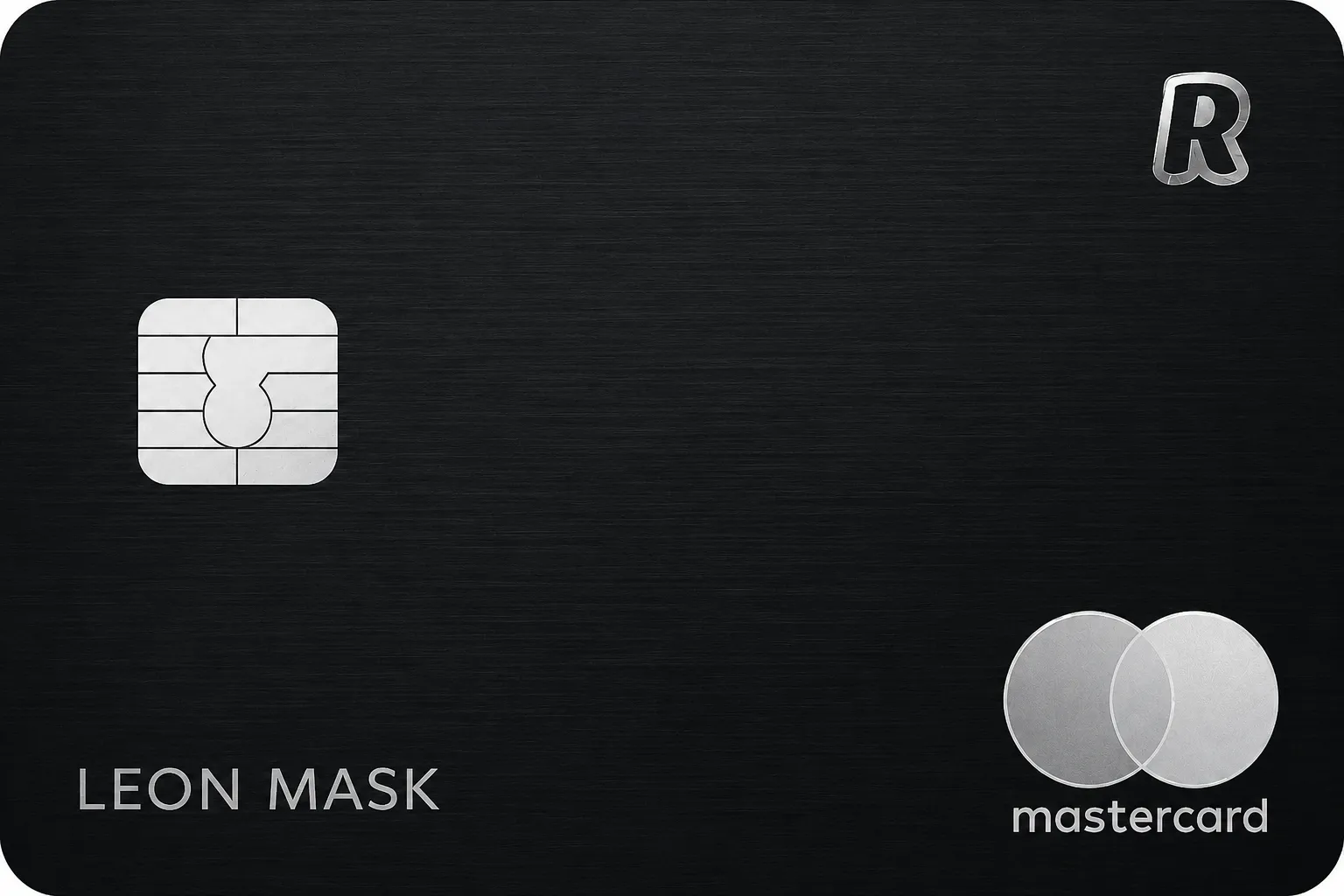
| Gnosis Pay Card | Criteria | Revolut Metal |
|---|---|---|
| 1 % | Base cashback | 0,1 % |
| 5 % | Premium cashback | 1 % |
| Free | Annual fees | 204 € |
| 1 € | Staking required | None |
| 5 000 € | Daily limit | 30 000 € |
| Visa | Network | Visa |
| Available in Europe | ||
| Free ATM withdrawals |
Accepted cryptos5
Accepted cryptos10
Gnosis Pay Card vs Revolut Metal: which crypto card should you choose?
Gnosis Pay and Revolut Metal both offer a European IBAN and a Mastercard, but with radically different philosophies. Revolut Metal is a centralised traditional neobank (€15/month) with 1% crypto cashback. Gnosis Pay is fully on-chain: self-custody, SEPA IBAN built directly on the Gnosis blockchain, and 2% GNO cashback with no subscription fee. For users who want a single account combining crypto and banking, these two are the natural comparison in 2026.
Cashback and rewards: advantage Gnosis Pay Card or Revolut Metal?
Cashback is often the primary selection criterion for a crypto card. Both Gnosis Pay Card and Revolut Metal offer variable reward levels depending on staked token amounts. As a general rule, the higher the staking, the better the cashback rate, sometimes up to 5% or more. It's worth calculating whether the extra return justifies locking up capital, taking into account the volatility of crypto assets.
Fees, staking requirements and conditions
Beyond cashback, annual fees and staking requirements play a decisive role in a card's real profitability. Gnosis Pay Card and Revolut Metal differ on these points: one may be free under certain conditions, while the other requires a token commitment. ATM withdrawals, foreign-currency charges and any monthly commissions should also factor into your analysis.
Our verdict: Gnosis Pay Card vs Revolut Metal
For the crypto-native user who wants to retain control of their funds, Gnosis Pay wins: €0 subscription, 2% cashback in GNO, on-chain IBAN. For the user who wants the full Revolut ecosystem (multi-currency, stock trading, travel insurance) with some crypto exposure, the Metal remains relevant at €15/month. Score: Gnosis Pay 4.1/5 vs Revolut Metal 3.9/5.
Frequently Asked Questions
Gnosis Pay vs Revolut Metal: which offers better value?
Gnosis Pay is free (€0/year) with 2% cashback in GNO. Revolut Metal costs €180/year for 1% crypto cashback. On the cashback criterion alone, Gnosis Pay is clearly more profitable.
Does Gnosis Pay have a real IBAN like Revolut?
Yes. Gnosis Pay provides a functional European IBAN for incoming SEPA transfers. The difference: it is on-chain, meaning your funds remain in your crypto wallet rather than with a custodian.
Can you use both cards at the same time?
Yes, many users combine Revolut (for multi-currency management and traditional banking features) and Gnosis Pay (for crypto cashback and DeFi). They complement each other well.
Check the full terms on the official website.
View offerGnosis Pay Card
How to choose between two crypto cards?
Comparing two crypto cards is not just about looking at the cashback rate on the label. You need to factor in the staking amount required to unlock that rate, the annual fees that eat into net returns, the daily spending limits, and the geographic availability of the card. For instance, a card offering 5% cashback but requiring €10,000 in staking may be less attractive than a 2% card with no staking requirement, depending on your profile. Our comparison puts all these criteria side by side to help you make the best decision. You can also use our cashback simulator to calculate your estimated return based on your spending habits.
Explore by criterion